Introduction
BrainSteady™ is a dietary supplement for general brain and neurotransmitter support. It is not a treatment for an anxiety, panic, PTSD, or stress disorder and should not replace evaluation or care from a qualified professional.
Brain health matters at every age
Understanding its Impact and Effective Treatment Options
BrainSteady™ is a dietary supplement for general brain and neurotransmitter support. It is not a treatment for an anxiety, panic, PTSD, or stress disorder and should not replace evaluation or care from a qualified professional.
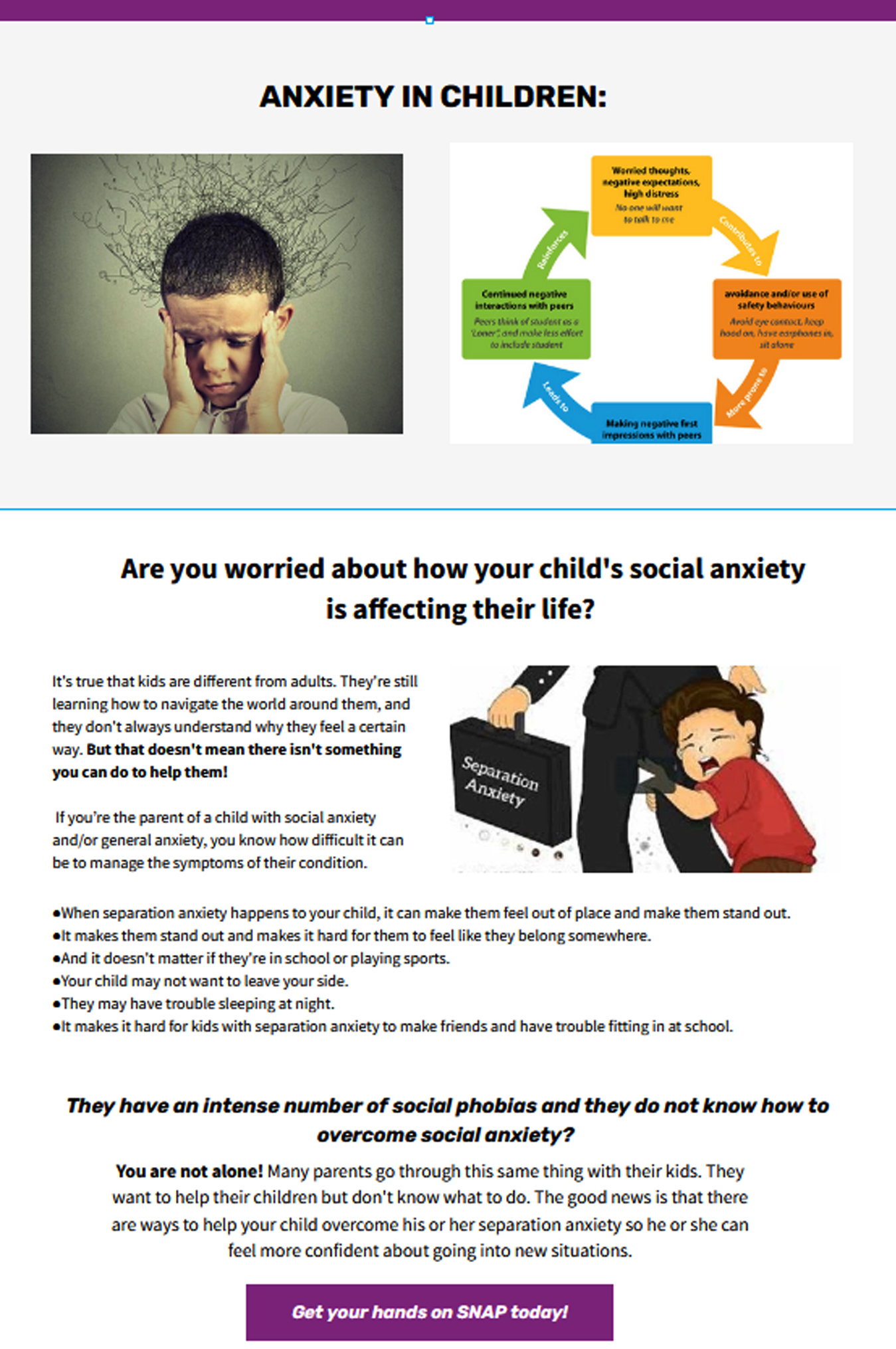
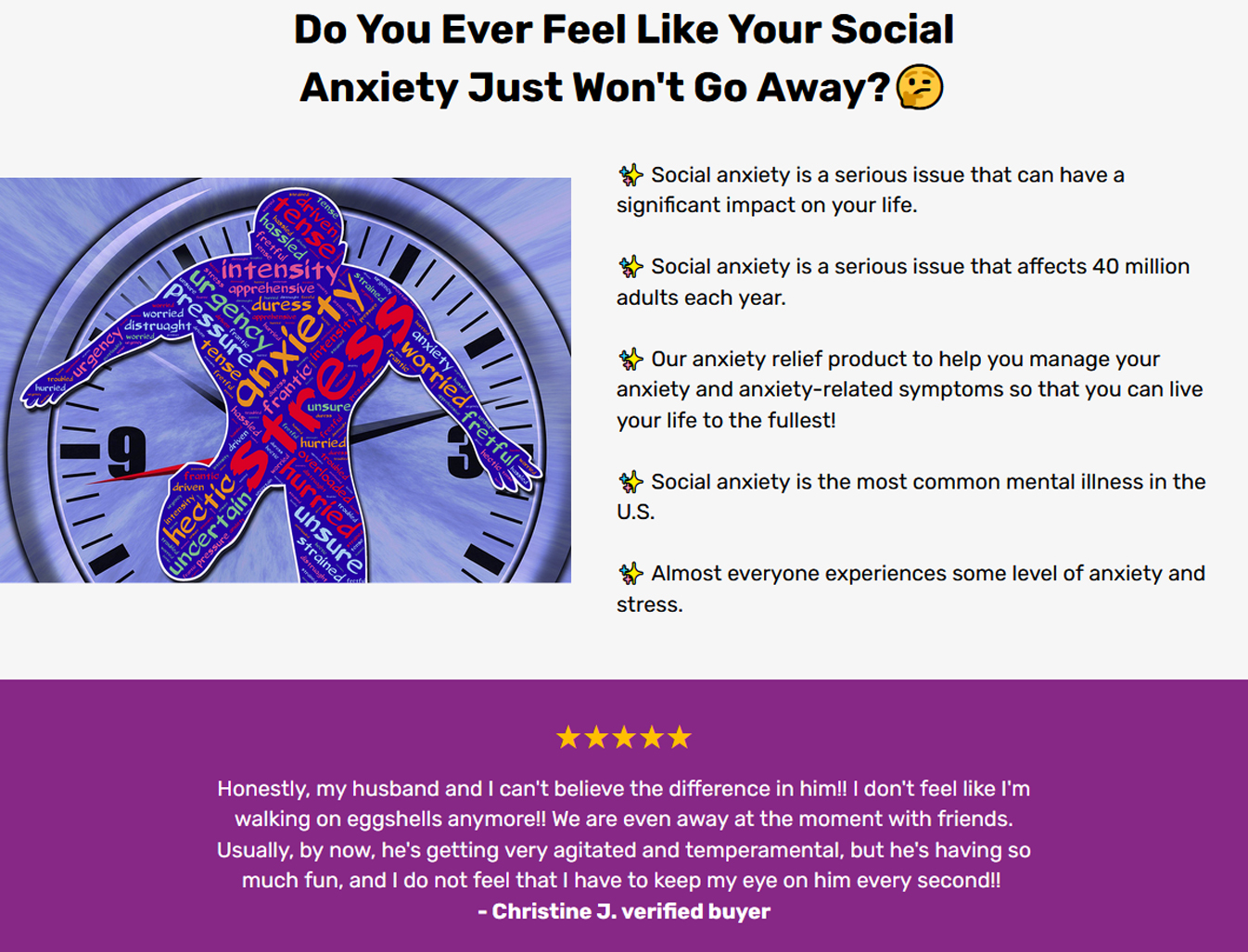
Social anxiety can significantly interfere with an individual's day-to-day life, affecting both adults and children. Adults may struggle with work-related activities, such as presentations, meetings, or networking events, leading to decreased job performance and limited career growth. For children, social anxiety can make attending school a daunting task, leading to school refusal and academic difficulties. Simple tasks that most people take for granted, such as engaging in social interactions, attending social gatherings, or making new friends, can become overwhelming for those with social anxiety. Consequently, some individuals may become isolated and withdrawn, leading to a sense of loneliness and reduced quality of life.
Social anxiety often coexists with other conditions such as ADHD, ODD, DMDD, CD, and IED. This comorbidity further complicates the challenges faced by individuals, as it magnifies the impact on their social functioning and overall well-being. For example, individuals with ADHD may experience heightened social anxiety due to difficulties in focusing, impulsivity, and challenges with impulse control. Similarly, those with behavior disorders may exhibit aggressive or oppositional behaviors as a defense mechanism to cope with social anxiety.
The causes of social anxiety are multifaceted, involving a combination of genetic, environmental, and neurobiological factors. Research suggests that social anxiety disorder is associated with imbalances in neurotransmitters, such as serotonin, gamma-aminobutyric acid (GABA), and norepinephrine. These neurotransmitters play a crucial role in regulating our responses to social situations. When these neurotransmitters are dysregulated, it can result in heightened fear responses and an increased vulnerability to social anxiety.
The treatment of social anxiety involves a comprehensive approach that addresses the underlying causes and provides tools for managing symptoms. Psychotherapy, specifically cognitive-behavioral therapy (CBT), is widely recognized as an effective treatment for social anxiety. CBT helps individuals identify and challenge negative thought patterns, develop coping mechanisms, and gradually expose themselves to anxiety-provoking situations. Additionally, medication, such as selective serotonin reuptake inhibitors (SSRIs), may be prescribed to alleviate symptoms in severe cases.