Brain health matters at every age

Education & Neurotransmitter Support

AUTISM IN CHILDREN

Recognizing Symptoms, Treatment, and Managing Behavioral Challenges

What is Autism?

Autism is a neurodevelopmental disorder that affects individuals from early childhood and throughout their lives.

It is characterized by a wide range of symptoms and behaviors that can significantly impact a child's social interaction, communication skills, and overall functioning.

In this comprehensive guide, we will explore the effects of autism on children of all ages, discuss the importance of early recognition and treatment, and delve into strategies for managing the symptoms associated with autism.

Autism, also known as Autism Spectrum Disorder (ASD), is a complex neurological disorder that affects individuals in varying degrees of severity.

It is typically diagnosed in early childhood and is characterized by persistent deficits in social communication and interaction, as well as the presence of restricted, repetitive patterns of behavior, interests, or activities.
get snap now

Recognizing Symptoms of Autism in Children

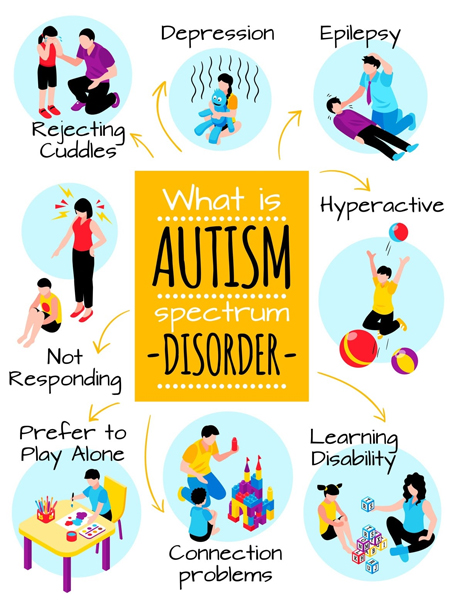
Recognizing the early signs of autism is crucial for early intervention and treatment. While the specific symptoms may vary among individuals, some common indicators of autism in children include:

  1. Impaired Social Interaction: Children with autism often have difficulty establishing and maintaining social relationships. They may struggle with eye contact, nonverbal cues, and have limited interest in sharing experiences with others.
  2. Communication Challenges: Delayed language development or the absence of speech altogether is a hallmark of autism. Some children may also exhibit echolalia (repeating words or phrases) or have difficulty understanding and using language effectively.
  3. Repetitive Behaviors and Interests: Many children with autism engage in repetitive behaviors such as hand-flapping, rocking, or lining up objects. They may also display intense and narrow interests, often fixating on specific topics.
  4. Sensory Sensitivities: Children with autism may experience heightened or diminished sensitivity to sensory stimuli. They may be oversensitive to certain sounds, textures, or smells, leading to distress or avoidance behaviors.

Prevalence of Autism in Children

Autism is a prevalent disorder affecting a significant number of children worldwide. According to recent studies, the estimated prevalence of autism is approximately 1 in 54 children, highlighting the need for increased awareness and support for affected individuals and their families.

The Importance of Early Intervention and Treatment

Early intervention plays a crucial role in improving outcomes for children with autism. The sooner a child receives appropriate therapies and interventions, the better their chances of developing essential skills and managing the challenges associated with autism. Treatment for autism often involves a multidisciplinary approach, which may include:

  1. Applied Behavior Analysis (ABA): ABA is a widely used therapy for children with autism that focuses on reinforcing positive behaviors and reducing challenging behaviors through structured interventions and rewards.
  2. Speech and Language Therapy: Speech and language therapy aims to improve communication skills and address language delays or difficulties that children with autism may experience.
  3. Occupational Therapy: Occupational therapy helps children develop and enhance their fine motor skills, sensory processing abilities, and daily living skills.
  4. Social Skills Training: Social skills training provides children with autism the necessary tools to navigate social interactions, develop friendships, and understand social norms.

Managing Symptoms and Behavior Problems

Supporting an autistic child works best as an individualized, whole-child approach. Alongside professional care, helpful routines may include:

  1. Predictable routines: Clear expectations, sensory-aware environments, and dependable transitions can reduce unnecessary overwhelm.
  2. Communication and regulation support: Therapists, educators, and caregivers can work together on strategies suited to the individual child.
  3. Thoughtful wellness choices: Families considering a dietary supplement should review the label and consult a healthcare professional first.

Introducing BrainSteady™ brain support formula:

BrainSteady™ is a dietary supplement for general brain and neurotransmitter support. It is not a treatment for autism and should not replace evaluation or care from a qualified professional.

It is available in liquid and capsule formats for children, teens, and adults ages four and older. Always follow the current label and discuss medications, health conditions, or questions about use with a healthcare professional.

BrainSteady capsules and liquid formula
Parents Pick Award
EXPLORE BRAINSTEADY, ORDER HERE

Support, Relationships and Everyday Life

Improving Relationships and Overall Well-being:

When a child feels understood and has support that fits their communication, sensory, and regulation needs, connection may become easier at home, at school, and with peers.

Progress does not look the same for every family. Patience, consistency, appropriate accommodations, and collaboration with qualified professionals all matter.

Conclusion:

Autism is a complex neurological disorder that significantly impacts the lives of children and their families.

Early recognition, intervention, and treatment are essential in supporting children with autism to develop essential skills and manage their symptoms effectively.

To learn more about the ingredients used in BrainSteady™ for general daily brain support, visit our ingredients page. BrainSteady™ is not intended to treat autism or any related condition.

Remember, each child with autism is unique, and their treatment plan should be tailored to their individual needs.

Consulting with healthcare professionals and working closely with therapists and educators can provide the best support for children with autism and help them thrive in their daily lives.

visit products page and order now

Looking for a solution to relieve other conditions?

Learn about relief expected from ingrediens in SNAP and why it is best brain supplement

BrainSteady™ Daily Brain Support

What your Need is...

A Certified Blend of Nature to Supplement and Stabilize Your Brain's Chemistry

EXPLORE BRAINSTEADY, ORDER HERE

Benefits Of Using Snap Brain Formula Supplement

EXPLORE BRAINSTEADY, ORDER HERE

Attention

Discover the bountiful remedies offered by nature to enhance your emotional regulation and gain valuable insights on areas that require your focus.

Focus

Achieve a state of mental clarity that surpasses behavioral disorders, enabling you to maintain sharp focus on everyday tasks and activities.

Memory

Enhance the Connectivity of Your Brain Cells and Empower Your Behavior's Impact on Others.

SNAP fosters brain development, facilitating learning, memory retention, and effective communication.

Mood

Experience natural mood stabilization with a unique blend of nutrients designed to penetrate the brain membrane and interact with mood-related molecules within. Feel a noticeable improvement in your mood and find relief from symptoms of depression.

Thoughtful Daily Brain Support

We will deliver our products to your doorstep no matter where you live! And if you live in the United States, shipping is totally FREE!

shop now
questions? click here to visit our FAQ area